Buy atfort.eu ?
We are moving the project
atfort.eu .
Are you interested in purchasing the domain
atfort.eu ?
domain@kv-gmbh.de · 0541-91531010
Buy atfort.eu ?
What are guard cells and stomata?
Guard cells are specialized cells found in the epidermis of plant leaves that surround and control the opening and closing of tiny pores called stomata. Stomata are small openings on the surface of leaves that allow for the exchange of gases such as carbon dioxide and oxygen, as well as the release of water vapor during transpiration. Guard cells regulate the opening and closing of stomata in response to environmental factors such as light intensity, humidity, and carbon dioxide levels to help plants maintain proper gas exchange and water balance. **
Why do mesophytes have small stomata?
Mesophytes have small stomata to regulate water loss through transpiration. By having smaller stomata, mesophytes can control the amount of water vapor that escapes from their leaves, helping them to conserve water in environments where water availability may be limited. Additionally, smaller stomata reduce the risk of desiccation in dry conditions, allowing mesophytes to thrive in a variety of habitats. **


Similar search terms for Stomata
Top-Angebote
Products related to Stomata:
-
Uplift Essentials HD Transparent Safety Face Shield Full Protection Anti Fog & Anti Splash Mask HD Transparent Safety Face Shield Full Protection Anti Fog & Anti Splash MaskPrioritize your safety with this HD Transparent Full Safety Face Shield. Engineered for maximum visibility and protection, this reusable mask features highdefinition clarity combined with antifog and windproof technology. Whether you are working in...46,97 $*Shipping: 0,00 $Secure redirect to the provider
-
Sendo Color Defense Color Protection Hair Conditioner 250mLA conditioner. It a treatment that helps prolong the duration and intensity of the color, counteracting oxidation and facilitating untangling. With Biotechnological Tomato Extract, Biotechnological Phytocomplex (grape, apple, lemon, wheat bran), Biological Extract of Goji Berries, and Murumuru Butter.6,25 £*Shipping: 7,11 £Secure redirect to the provider
-
Sendo Color Defense Color Protection Hair Mask 200mLA hair mask. This product helps protect hair from oxidation and air pollution, making it softer and easier to comb. Contains Biotechnological Tomato Extract, Biotechnological Phytocomplex (grape, apple, lemon, wheat bran), Biological Extract of Goji Berries and Rogue Oil. Containers with recycled and recyclable packaging.8,06 £*Shipping: 7,11 £Secure redirect to the provider
-
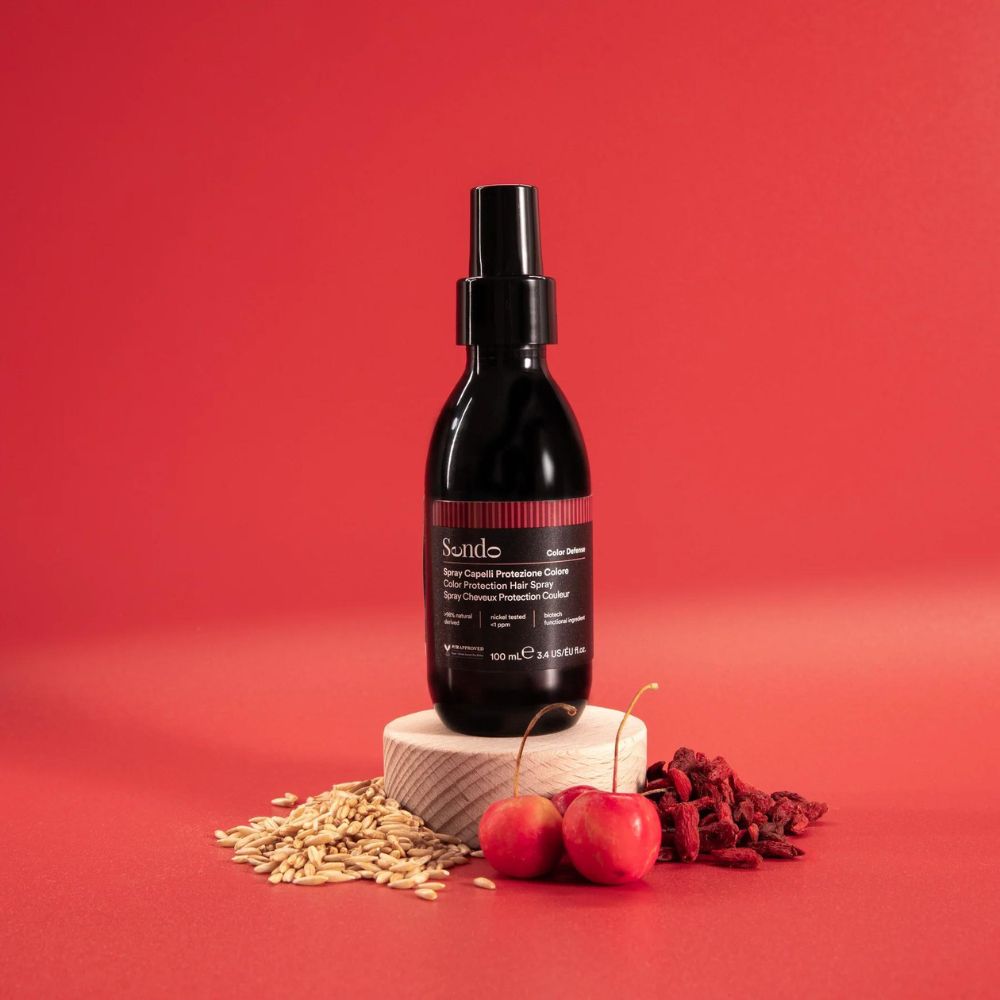
Sendo Color Defense Color Protection Hair Spray 100mLA hair-care product. This product counteracts the damaging action of free radicals, thanks to its antioxidant and natural properties. Made with Biotechnological Tomato Extract, Biotechnological Phytocomplex (grape, apple, lemon, wheat bran), Biological Goji Berry Extract, and Biological Cherry Extract.8,58 £*Shipping: 5,34 £Secure redirect to the provider



-
Why do stomata close at midday?
Stomata close at midday to prevent excessive water loss through transpiration. During the hottest part of the day, the plant can lose a significant amount of water through open stomata, which can lead to dehydration and wilting. By closing the stomata, the plant can conserve water and maintain its turgidity, allowing it to survive the heat and dry conditions. Additionally, closing the stomata can also help to regulate the exchange of gases, such as carbon dioxide and oxygen, within the plant. **
-
What are stomata in plants in biology?
Stomata are small pores found on the surface of plant leaves and stems that are responsible for gas exchange. They allow for the uptake of carbon dioxide for photosynthesis and the release of oxygen and water vapor. Stomata are surrounded by specialized cells called guard cells, which control the opening and closing of the pores to regulate the exchange of gases and the loss of water through transpiration. This process is crucial for the survival and growth of plants. **
-
Why are the stomata located underneath the leaf?
Stomata are located underneath the leaf to reduce water loss through transpiration. Placing the stomata on the underside of the leaf helps to minimize exposure to direct sunlight and wind, which can increase water loss. Additionally, having the stomata on the underside of the leaf helps to protect them from potential damage and blockage by dust and other particles. This positioning also allows for better control of gas exchange and helps to maintain the internal water balance of the plant. **
-
Are dry plants hydrophilic and do they have sunken stomata?
Dry plants are not hydrophilic, as they do not have a strong affinity for water. In fact, they often have adaptations to conserve water, such as waxy cuticles and reduced stomata. Additionally, dry plants may have sunken stomata, which helps to reduce water loss by creating a barrier between the stomata and the external environment. These adaptations are important for the survival of dry plants in arid environments. **


Why do water plants have their stomata on top, moist plants on top, adaptable plants on the bottom, and dry plants have sunken stomata?
Water plants have their stomata on top to prevent water loss and allow for efficient gas exchange with the atmosphere. Moist plants have their stomata on top to take advantage of the moist air and reduce water loss. Adaptable plants have their stomata on the bottom to minimize water loss and adapt to varying environmental conditions. Dry plants have sunken stomata to reduce water loss and protect the stomata from drying out in arid conditions. Each type of plant has evolved to have stomata placement that best suits their specific environmental needs. **
Why do aquatic plants have their stomata on top, moist plants on top, adaptable plants on the bottom, and dry plants have sunken stomata?
Aquatic plants have their stomata on top to facilitate gas exchange with the surrounding water. Moist plants have stomata on top to prevent excessive water loss and maintain a moist environment for photosynthesis. Adaptable plants have stomata on the bottom to regulate water loss and gas exchange based on environmental conditions. Dry plants have sunken stomata to reduce water loss through evaporation and protect the stomata from drying out in arid conditions. **
Top-Angebote
Products related to Stomata:
-
Sendo Color Defense Color Protection Shampoo 250mLA shampoo. This product gently cleanses the hair and seals the dyed pigment inside the hair. The Color Defense line is made up of a formula that leaves hair shinier, preserving its color and helping to seal the cuticles. Contains Biotechnological Tomato Extract, Biotechnological Phytocomplex (grape, apple, lemon, wheat bran), Biological Extract of Goji Berries, and Biological Extract of Maqui.5,99 £*Shipping: 7,11 £Secure redirect to the provider
-
Uplift Essentials HD Transparent Safety Face Shield Full Protection Anti Fog & Anti Splash Mask HD Transparent Safety Face Shield Full Protection Anti Fog & Anti Splash MaskPrioritize your safety with this HD Transparent Full Safety Face Shield. Engineered for maximum visibility and protection, this reusable mask features highdefinition clarity combined with antifog and windproof technology. Whether you are working in...46,97 $*Shipping: 0,00 $Secure redirect to the provider
-
Sendo Color Defense Color Protection Hair Conditioner 250mLA conditioner. It a treatment that helps prolong the duration and intensity of the color, counteracting oxidation and facilitating untangling. With Biotechnological Tomato Extract, Biotechnological Phytocomplex (grape, apple, lemon, wheat bran), Biological Extract of Goji Berries, and Murumuru Butter.6,25 £*Shipping: 7,11 £Secure redirect to the provider
-
What are guard cells and stomata?
Guard cells are specialized cells found in the epidermis of plant leaves that surround and control the opening and closing of tiny pores called stomata. Stomata are small openings on the surface of leaves that allow for the exchange of gases such as carbon dioxide and oxygen, as well as the release of water vapor during transpiration. Guard cells regulate the opening and closing of stomata in response to environmental factors such as light intensity, humidity, and carbon dioxide levels to help plants maintain proper gas exchange and water balance. **
-
Why do mesophytes have small stomata?
Mesophytes have small stomata to regulate water loss through transpiration. By having smaller stomata, mesophytes can control the amount of water vapor that escapes from their leaves, helping them to conserve water in environments where water availability may be limited. Additionally, smaller stomata reduce the risk of desiccation in dry conditions, allowing mesophytes to thrive in a variety of habitats. **
-
Why do stomata close at midday?
Stomata close at midday to prevent excessive water loss through transpiration. During the hottest part of the day, the plant can lose a significant amount of water through open stomata, which can lead to dehydration and wilting. By closing the stomata, the plant can conserve water and maintain its turgidity, allowing it to survive the heat and dry conditions. Additionally, closing the stomata can also help to regulate the exchange of gases, such as carbon dioxide and oxygen, within the plant. **
-
What are stomata in plants in biology?
Stomata are small pores found on the surface of plant leaves and stems that are responsible for gas exchange. They allow for the uptake of carbon dioxide for photosynthesis and the release of oxygen and water vapor. Stomata are surrounded by specialized cells called guard cells, which control the opening and closing of the pores to regulate the exchange of gases and the loss of water through transpiration. This process is crucial for the survival and growth of plants. **
Similar search terms for Stomata
-
Sendo Color Defense Color Protection Hair Mask 200mLA hair mask. This product helps protect hair from oxidation and air pollution, making it softer and easier to comb. Contains Biotechnological Tomato Extract, Biotechnological Phytocomplex (grape, apple, lemon, wheat bran), Biological Extract of Goji Berries and Rogue Oil. Containers with recycled and recyclable packaging.8,06 £*Shipping: 7,11 £Secure redirect to the provider
-
Sendo Color Defense Color Protection Hair Spray 100mLA hair-care product. This product counteracts the damaging action of free radicals, thanks to its antioxidant and natural properties. Made with Biotechnological Tomato Extract, Biotechnological Phytocomplex (grape, apple, lemon, wheat bran), Biological Goji Berry Extract, and Biological Cherry Extract.8,58 £*Shipping: 5,34 £Secure redirect to the provider
-
DynamicDeals Transparent Full Face Shield With Head Mounted Eye Protection For Motorcycle & Safety orangeStay safe without sacrificing comfort or visibility with our full face shield. Designed for riders, outdoor workers, and anyone seeking superior protection, this lightweight face mask offers clear vision and full coverage. Its durable PC material...39,97 $*Shipping: 0,00 $Secure redirect to the provider
-
DynamicDeals Full Face Protection Mask With Anti Fog Shield For Kitchen & Work Safety blueKeep yourself safe while staying comfortable with our full face protection mask. Designed for anyone facing splash, wind, or dust hazards, it provides allaround coverage without fogging your vision. Durable and reusable, this mask is perfect for...39,97 $*Shipping: 0,00 $Secure redirect to the provider
-
Why are the stomata located underneath the leaf?
Stomata are located underneath the leaf to reduce water loss through transpiration. Placing the stomata on the underside of the leaf helps to minimize exposure to direct sunlight and wind, which can increase water loss. Additionally, having the stomata on the underside of the leaf helps to protect them from potential damage and blockage by dust and other particles. This positioning also allows for better control of gas exchange and helps to maintain the internal water balance of the plant. **
-
Are dry plants hydrophilic and do they have sunken stomata?
Dry plants are not hydrophilic, as they do not have a strong affinity for water. In fact, they often have adaptations to conserve water, such as waxy cuticles and reduced stomata. Additionally, dry plants may have sunken stomata, which helps to reduce water loss by creating a barrier between the stomata and the external environment. These adaptations are important for the survival of dry plants in arid environments. **
-
Why do water plants have their stomata on top, moist plants on top, adaptable plants on the bottom, and dry plants have sunken stomata?
Water plants have their stomata on top to prevent water loss and allow for efficient gas exchange with the atmosphere. Moist plants have their stomata on top to take advantage of the moist air and reduce water loss. Adaptable plants have their stomata on the bottom to minimize water loss and adapt to varying environmental conditions. Dry plants have sunken stomata to reduce water loss and protect the stomata from drying out in arid conditions. Each type of plant has evolved to have stomata placement that best suits their specific environmental needs. **
-
Why do aquatic plants have their stomata on top, moist plants on top, adaptable plants on the bottom, and dry plants have sunken stomata?
Aquatic plants have their stomata on top to facilitate gas exchange with the surrounding water. Moist plants have stomata on top to prevent excessive water loss and maintain a moist environment for photosynthesis. Adaptable plants have stomata on the bottom to regulate water loss and gas exchange based on environmental conditions. Dry plants have sunken stomata to reduce water loss through evaporation and protect the stomata from drying out in arid conditions. **
* All prices are inclusive of VAT and, if applicable, plus shipping costs. The offer information is based on the details provided by the respective shop and is updated through automated processes. Real-time updates do not occur, so deviations can occur in individual cases. ** Note: Parts of this content were created by AI.