Buy atfort.eu ?
We are moving the project
atfort.eu .
Are you interested in purchasing the domain
atfort.eu ?
domain@kv-gmbh.de · 0541-91531010
Buy atfort.eu ?
What are demonstrative pronouns and relative pronouns?
Demonstrative pronouns are pronouns that are used to point to specific things or people. Examples of demonstrative pronouns include "this," "that," "these," and "those." Relative pronouns are pronouns that introduce dependent clauses and connect them to independent clauses. Examples of relative pronouns include "who," "whom," "whose," "which," and "that." **
Why are demonstrative pronouns called demonstrative pronouns?
Demonstrative pronouns are called demonstrative because they demonstrate or point to a specific noun or pronoun in a sentence. They help to indicate the position or location of the noun or pronoun in relation to the speaker or listener. By using demonstrative pronouns such as "this," "that," "these," and "those," speakers can make their communication more precise and clear by specifying which person, place, thing, or idea they are referring to. **
Similar search terms for Pronouns
Top-Angebote
Products related to Pronouns:
-
Uplifted Finds Fortress Guard High Tensile Safety Netting 4 X 3 MSecure your pets elevated vantage points with the Fortress Guard Safety System, a highreliability protective barrier engineered with fallprevention logic. This professionalgrade netting features a reinforced nylonsteel composite architecture,...203,97 $*Shipping: 0,00 $Secure redirect to the provider
-
Happy Pet Pantry Pet Shield Flea & Tick Defense Spray For Cats & Dogs Flea Treatment Spray & Pet Deworming Spray Pet Shield Flea & Tick Defense Spray For Cats & Dogs Flea Treatment Spray & Pet Deworming SprayGive your furry companion the comfort they deserve with a gentle, easytouse Pet Deworming Spray designed for daily external care. Formulated for both cats and dogs, this convenient spray helps support a cleaner coat while assisting with flea and...34,97 $*Shipping: 0,00 $Secure redirect to the provider
-
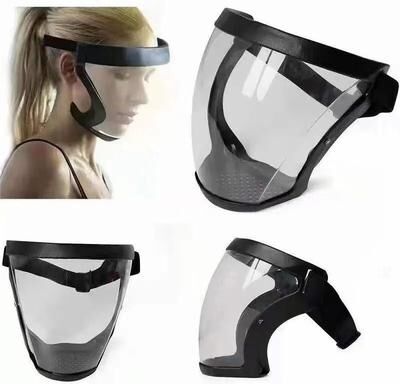
DynamicDeals Transparent Full Face Shield With Head Mounted Eye Protection For Motorcycle & Safety orangeStay safe without sacrificing comfort or visibility with our full face shield. Designed for riders, outdoor workers, and anyone seeking superior protection, this lightweight face mask offers clear vision and full coverage. Its durable PC material...39,97 $*Shipping: 0,00 $Secure redirect to the provider
-
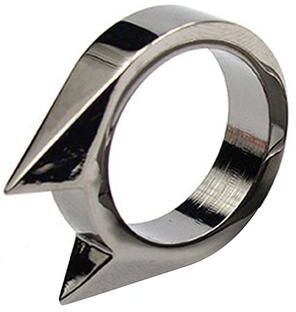
Cozy Casa Charm Self Defense Finger Ring Outdoor Survival Window Breaker Cats Ear Metal Defense Ring For Personal Safety silverStay safe and prepared with the SelfDefense Finger Ring. Designed for adults who value safety and security, this ring serves as a discreet yet effective selfdefense tool. Whether you're out on a hike or walking through the city, this compact device...29,97 $*Shipping: 0,00 $Secure redirect to the provider



-
With which pronouns do many people confuse reflexive pronouns?
Many people confuse reflexive pronouns with personal pronouns. For example, they may use "myself" or "yourself" instead of "me" or "you" in a sentence. This confusion often occurs when people are trying to emphasize the subject of the sentence, but they mistakenly use a reflexive pronoun instead of a personal pronoun. It's important to understand the difference between reflexive and personal pronouns in order to use them correctly in sentences. **
-
What are pronouns?
Pronouns are words that are used in place of nouns to avoid repetition in a sentence. They can refer to people, places, things, or ideas. Pronouns help make sentences clearer and more concise by replacing specific nouns with general words like "he," "she," "it," "they," and "we." Using pronouns also helps to maintain the flow of writing and make it more engaging for the reader. **
-
What is the difference between personal pronouns and reflexive pronouns?
Personal pronouns are used to refer to people or things, such as "I," "you," "he," "she," "it," "we," and "they." Reflexive pronouns, on the other hand, are used when the subject and object of a sentence are the same person or thing, such as "myself," "yourself," "himself," "herself," "itself," "ourselves," and "themselves." Reflexive pronouns are used to reflect the action back onto the subject, while personal pronouns simply refer to the subject or object. **
-
Which pronouns do many people often confuse with reflexive pronouns?
Many people often confuse reflexive pronouns with intensive pronouns. Intensive pronouns are used to emphasize a preceding noun or pronoun, while reflexive pronouns are used when the subject and object of a sentence are the same. For example, "I myself will do it" uses an intensive pronoun, while "I hurt myself" uses a reflexive pronoun. It is important to understand the distinction between these two types of pronouns to use them correctly in sentences. **

Can you help me with personal pronouns and possessive pronouns?
Certainly! Personal pronouns are used to replace nouns in a sentence, such as "I", "you", "he", "she", "it", "we", and "they". Possessive pronouns show ownership or possession, such as "mine", "yours", "his", "hers", "ours", and "theirs". If you need help understanding how to use these pronouns in a sentence or identifying which pronoun to use in a specific context, feel free to ask for more guidance. **
What is the difference between relative pronouns and interrogative pronouns?
Relative pronouns are used to connect a dependent clause to an independent clause, providing more information about a noun in the independent clause. They include words like "who," "which," and "that." Interrogative pronouns, on the other hand, are used to ask questions and gather information. They include words like "who," "what," "which," "whom," and "whose." The main difference between the two is their function in a sentence - relative pronouns connect clauses, while interrogative pronouns are used to ask questions. **
Top-Angebote
Products related to Pronouns:
-
Uplift Essentials HD Transparent Safety Face Shield Full Protection Anti Fog & Anti Splash Mask HD Transparent Safety Face Shield Full Protection Anti Fog & Anti Splash MaskPrioritize your safety with this HD Transparent Full Safety Face Shield. Engineered for maximum visibility and protection, this reusable mask features highdefinition clarity combined with antifog and windproof technology. Whether you are working in...46,97 $*Shipping: 0,00 $Secure redirect to the provider
-
Cozy Casa Charm Self Defense Finger Ring Outdoor Survival Window Breaker Cats Ear Metal Defense Ring For Personal Safety blackStay safe and prepared with the SelfDefense Finger Ring. Designed for adults who value safety and security, this ring serves as a discreet yet effective selfdefense tool. Whether you're out on a hike or walking through the city, this compact device...29,97 $*Shipping: 0,00 $Secure redirect to the provider
-
Uplifted Finds Fortress Guard High Tensile Safety Netting 4 X 3 MSecure your pets elevated vantage points with the Fortress Guard Safety System, a highreliability protective barrier engineered with fallprevention logic. This professionalgrade netting features a reinforced nylonsteel composite architecture,...203,97 $*Shipping: 0,00 $Secure redirect to the provider
-
Happy Pet Pantry Pet Shield Flea & Tick Defense Spray For Cats & Dogs Flea Treatment Spray & Pet Deworming Spray Pet Shield Flea & Tick Defense Spray For Cats & Dogs Flea Treatment Spray & Pet Deworming SprayGive your furry companion the comfort they deserve with a gentle, easytouse Pet Deworming Spray designed for daily external care. Formulated for both cats and dogs, this convenient spray helps support a cleaner coat while assisting with flea and...34,97 $*Shipping: 0,00 $Secure redirect to the provider
-
What are demonstrative pronouns and relative pronouns?
Demonstrative pronouns are pronouns that are used to point to specific things or people. Examples of demonstrative pronouns include "this," "that," "these," and "those." Relative pronouns are pronouns that introduce dependent clauses and connect them to independent clauses. Examples of relative pronouns include "who," "whom," "whose," "which," and "that." **
-
Why are demonstrative pronouns called demonstrative pronouns?
Demonstrative pronouns are called demonstrative because they demonstrate or point to a specific noun or pronoun in a sentence. They help to indicate the position or location of the noun or pronoun in relation to the speaker or listener. By using demonstrative pronouns such as "this," "that," "these," and "those," speakers can make their communication more precise and clear by specifying which person, place, thing, or idea they are referring to. **
-
With which pronouns do many people confuse reflexive pronouns?
Many people confuse reflexive pronouns with personal pronouns. For example, they may use "myself" or "yourself" instead of "me" or "you" in a sentence. This confusion often occurs when people are trying to emphasize the subject of the sentence, but they mistakenly use a reflexive pronoun instead of a personal pronoun. It's important to understand the difference between reflexive and personal pronouns in order to use them correctly in sentences. **
-
What are pronouns?
Pronouns are words that are used in place of nouns to avoid repetition in a sentence. They can refer to people, places, things, or ideas. Pronouns help make sentences clearer and more concise by replacing specific nouns with general words like "he," "she," "it," "they," and "we." Using pronouns also helps to maintain the flow of writing and make it more engaging for the reader. **
Similar search terms for Pronouns
-
DynamicDeals Transparent Full Face Shield With Head Mounted Eye Protection For Motorcycle & Safety orangeStay safe without sacrificing comfort or visibility with our full face shield. Designed for riders, outdoor workers, and anyone seeking superior protection, this lightweight face mask offers clear vision and full coverage. Its durable PC material...39,97 $*Shipping: 0,00 $Secure redirect to the provider
-
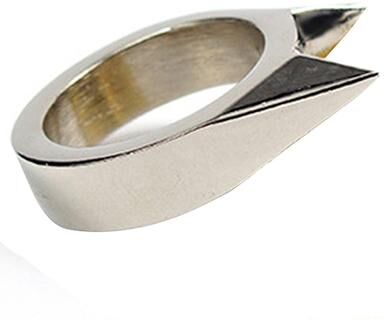
Cozy Casa Charm Self Defense Finger Ring Outdoor Survival Window Breaker Cats Ear Metal Defense Ring For Personal Safety silverStay safe and prepared with the SelfDefense Finger Ring. Designed for adults who value safety and security, this ring serves as a discreet yet effective selfdefense tool. Whether you're out on a hike or walking through the city, this compact device...29,97 $*Shipping: 0,00 $Secure redirect to the provider
-
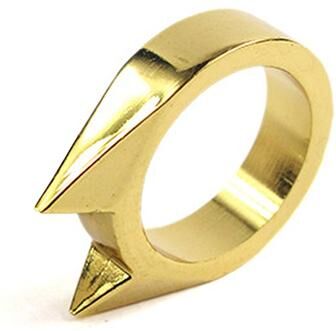
Cozy Casa Charm Self Defense Finger Ring Outdoor Survival Window Breaker Cats Ear Metal Defense Ring For Personal Safety goldStay safe and prepared with the SelfDefense Finger Ring. Designed for adults who value safety and security, this ring serves as a discreet yet effective selfdefense tool. Whether you're out on a hike or walking through the city, this compact device...29,97 $*Shipping: 0,00 $Secure redirect to the provider
-
Uplifted Finds Fortress Guard High Tensile Safety Netting 6 X 3 MSecure your pets elevated vantage points with the Fortress Guard Safety System, a highreliability protective barrier engineered with fallprevention logic. This professionalgrade netting features a reinforced nylonsteel composite architecture,...247,97 $*Shipping: 0,00 $Secure redirect to the provider
-
What is the difference between personal pronouns and reflexive pronouns?
Personal pronouns are used to refer to people or things, such as "I," "you," "he," "she," "it," "we," and "they." Reflexive pronouns, on the other hand, are used when the subject and object of a sentence are the same person or thing, such as "myself," "yourself," "himself," "herself," "itself," "ourselves," and "themselves." Reflexive pronouns are used to reflect the action back onto the subject, while personal pronouns simply refer to the subject or object. **
-
Which pronouns do many people often confuse with reflexive pronouns?
Many people often confuse reflexive pronouns with intensive pronouns. Intensive pronouns are used to emphasize a preceding noun or pronoun, while reflexive pronouns are used when the subject and object of a sentence are the same. For example, "I myself will do it" uses an intensive pronoun, while "I hurt myself" uses a reflexive pronoun. It is important to understand the distinction between these two types of pronouns to use them correctly in sentences. **
-
Can you help me with personal pronouns and possessive pronouns?
Certainly! Personal pronouns are used to replace nouns in a sentence, such as "I", "you", "he", "she", "it", "we", and "they". Possessive pronouns show ownership or possession, such as "mine", "yours", "his", "hers", "ours", and "theirs". If you need help understanding how to use these pronouns in a sentence or identifying which pronoun to use in a specific context, feel free to ask for more guidance. **
-
What is the difference between relative pronouns and interrogative pronouns?
Relative pronouns are used to connect a dependent clause to an independent clause, providing more information about a noun in the independent clause. They include words like "who," "which," and "that." Interrogative pronouns, on the other hand, are used to ask questions and gather information. They include words like "who," "what," "which," "whom," and "whose." The main difference between the two is their function in a sentence - relative pronouns connect clauses, while interrogative pronouns are used to ask questions. **
* All prices are inclusive of VAT and, if applicable, plus shipping costs. The offer information is based on the details provided by the respective shop and is updated through automated processes. Real-time updates do not occur, so deviations can occur in individual cases. ** Note: Parts of this content were created by AI.