Buy atfort.eu ?
We are moving the project
atfort.eu .
Are you interested in purchasing the domain
atfort.eu ?
domain@kv-gmbh.de · 0541-91531010
Buy atfort.eu ?
Is ammonia polyprotic or monoprotic?
Ammonia is a monoprotic base, meaning it can donate only one proton (H+) in a chemical reaction. This is because ammonia has only one nitrogen atom that can accept a proton to form the ammonium ion (NH4+). Therefore, ammonia is considered monoprotic. **
Why is vinegar a monoprotic acid?
Vinegar is a monoprotic acid because it contains one hydrogen ion (H+) that can be donated in a chemical reaction. When vinegar (acetic acid) dissociates in water, it releases only one hydrogen ion per molecule. This means that each molecule of vinegar can donate only one proton, making it a monoprotic acid. **


Similar search terms for Monoprotic
Top-Angebote
Products related to Monoprotic:
-
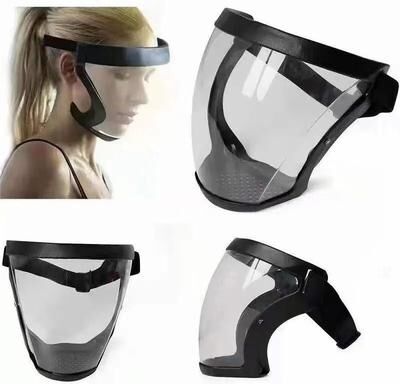
Uplift Essentials HD Transparent Safety Face Shield Full Protection Anti Fog & Anti Splash Mask HD Transparent Safety Face Shield Full Protection Anti Fog & Anti Splash MaskPrioritize your safety with this HD Transparent Full Safety Face Shield. Engineered for maximum visibility and protection, this reusable mask features highdefinition clarity combined with antifog and windproof technology. Whether you are working in...46,97 $*Shipping: 0,00 $Secure redirect to the provider
-
Sendo Color Defense Color Protection Hair Conditioner 250mLA conditioner. It a treatment that helps prolong the duration and intensity of the color, counteracting oxidation and facilitating untangling. With Biotechnological Tomato Extract, Biotechnological Phytocomplex (grape, apple, lemon, wheat bran), Biological Extract of Goji Berries, and Murumuru Butter.8,47 £*Shipping: 7,11 £Secure redirect to the provider
-
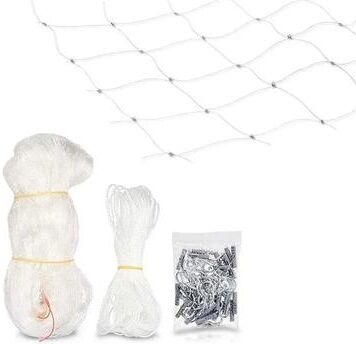
Uplifted Finds Fortress Guard High Tensile Safety Netting 6 X 3 MSecure your pets elevated vantage points with the Fortress Guard Safety System, a highreliability protective barrier engineered with fallprevention logic. This professionalgrade netting features a reinforced nylonsteel composite architecture,...247,97 $*Shipping: 0,00 $Secure redirect to the provider
-
DynamicDeals Transparent Full Face Shield With Head Mounted Eye Protection For Motorcycle & Safety orangeStay safe without sacrificing comfort or visibility with our full face shield. Designed for riders, outdoor workers, and anyone seeking superior protection, this lightweight face mask offers clear vision and full coverage. Its durable PC material...39,97 $*Shipping: 0,00 $Secure redirect to the provider


-
What are monoprotic and polyprotic acids?
Monoprotic acids are acids that can donate only one proton (hydrogen ion) per molecule when they dissociate in water. Examples include hydrochloric acid (HCl) and acetic acid (CH3COOH). Polyprotic acids, on the other hand, are acids that can donate more than one proton per molecule when they dissociate in water. Examples include sulfuric acid (H2SO4) and phosphoric acid (H3PO4). **
-
Which substance is a monoprotic acid?
Acetic acid is a monoprotic acid. This means that it can donate only one proton (H+) in a chemical reaction. Acetic acid is found in vinegar and is commonly used in cooking and food preservation. Its chemical formula is CH3COOH. **
-
Why is formic acid a monoprotic acid?
Formic acid is a monoprotic acid because it can donate only one proton (H+) in a chemical reaction. This is due to its chemical structure, which contains only one carboxylic acid functional group (COOH), allowing for the donation of only one proton. As a result, formic acid can form only one type of ion when it donates a proton, making it a monoprotic acid. **
-
How can one recognize which acids are monoprotic, diprotic, or triprotic?
One can recognize the number of protons that an acid can donate by looking at its chemical formula and structure. Monoprotic acids, such as hydrochloric acid (HCl) and acetic acid (CH3COOH), can donate one proton. Diprotic acids, such as sulfuric acid (H2SO4), can donate two protons. Triprotic acids, such as phosphoric acid (H3PO4), can donate three protons. Additionally, one can also recognize the number of protons an acid can donate by looking at its ionization constants (Ka values) - monoprotic acids will have one Ka value, diprotic acids will have two Ka values, and triprotic acids will have three Ka values. **
How can I tell if an acid is monoprotic or polyprotic?
You can determine if an acid is monoprotic or polyprotic by looking at its chemical formula. If the formula contains only one hydrogen ion (H+), then the acid is monoprotic. However, if the formula contains more than one hydrogen ion, then the acid is polyprotic. Additionally, you can also look at the acid's chemical structure and its ability to donate multiple hydrogen ions to determine if it is polyprotic. **
Can someone explain the meaning of monoprotic and polyprotic to me?
Sure! Monoprotic and polyprotic refer to the number of protons that can be donated by an acid. Monoprotic acids can donate one proton, while polyprotic acids can donate more than one proton. For example, hydrochloric acid (HCl) is monoprotic because it can donate one proton, while sulfuric acid (H2SO4) is polyprotic because it can donate two protons. This distinction is important in understanding the behavior and properties of different acids in chemical reactions. **
Top-Angebote
Products related to Monoprotic:
-
Skinceuticals Oil Shield UV Defense SPF50 Oily Skin 30mL SPF50A sunscreen for oily or blemish-prone skin. Oil shied UV defense SPF50 is a sunscreen for oily skin, providing a wide spectrum UVA/UVB protection. at the same time uniforms the complexion and reduces excessive oiliness. Helps protect from the sun's rays that lead to premature aging of the skin. The formulation includes a technology capable of absorbing up to 15x of its weight in oil.38,70 £*Shipping: 4,22 £Secure redirect to the provider
-
Uplift Essentials HD Transparent Safety Face Shield Full Protection Anti Fog & Anti Splash Mask HD Transparent Safety Face Shield Full Protection Anti Fog & Anti Splash MaskPrioritize your safety with this HD Transparent Full Safety Face Shield. Engineered for maximum visibility and protection, this reusable mask features highdefinition clarity combined with antifog and windproof technology. Whether you are working in...46,97 $*Shipping: 0,00 $Secure redirect to the provider
-
Sendo Color Defense Color Protection Hair Conditioner 250mLA conditioner. It a treatment that helps prolong the duration and intensity of the color, counteracting oxidation and facilitating untangling. With Biotechnological Tomato Extract, Biotechnological Phytocomplex (grape, apple, lemon, wheat bran), Biological Extract of Goji Berries, and Murumuru Butter.8,47 £*Shipping: 7,11 £Secure redirect to the provider
-
Is ammonia polyprotic or monoprotic?
Ammonia is a monoprotic base, meaning it can donate only one proton (H+) in a chemical reaction. This is because ammonia has only one nitrogen atom that can accept a proton to form the ammonium ion (NH4+). Therefore, ammonia is considered monoprotic. **
-
Why is vinegar a monoprotic acid?
Vinegar is a monoprotic acid because it contains one hydrogen ion (H+) that can be donated in a chemical reaction. When vinegar (acetic acid) dissociates in water, it releases only one hydrogen ion per molecule. This means that each molecule of vinegar can donate only one proton, making it a monoprotic acid. **
-
What are monoprotic and polyprotic acids?
Monoprotic acids are acids that can donate only one proton (hydrogen ion) per molecule when they dissociate in water. Examples include hydrochloric acid (HCl) and acetic acid (CH3COOH). Polyprotic acids, on the other hand, are acids that can donate more than one proton per molecule when they dissociate in water. Examples include sulfuric acid (H2SO4) and phosphoric acid (H3PO4). **
-
Which substance is a monoprotic acid?
Acetic acid is a monoprotic acid. This means that it can donate only one proton (H+) in a chemical reaction. Acetic acid is found in vinegar and is commonly used in cooking and food preservation. Its chemical formula is CH3COOH. **
Similar search terms for Monoprotic
-
Uplifted Finds Fortress Guard High Tensile Safety Netting 6 X 3 MSecure your pets elevated vantage points with the Fortress Guard Safety System, a highreliability protective barrier engineered with fallprevention logic. This professionalgrade netting features a reinforced nylonsteel composite architecture,...247,97 $*Shipping: 0,00 $Secure redirect to the provider
-
DynamicDeals Transparent Full Face Shield With Head Mounted Eye Protection For Motorcycle & Safety orangeStay safe without sacrificing comfort or visibility with our full face shield. Designed for riders, outdoor workers, and anyone seeking superior protection, this lightweight face mask offers clear vision and full coverage. Its durable PC material...39,97 $*Shipping: 0,00 $Secure redirect to the provider
-
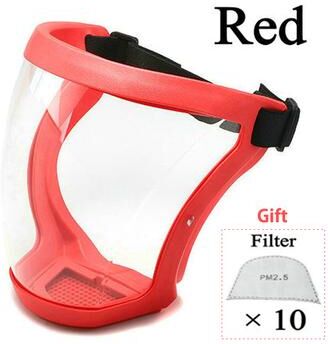
DynamicDeals Full Face Protection Mask With Anti Fog Shield For Kitchen & Work Safety redKeep yourself safe while staying comfortable with our full face protection mask. Designed for anyone facing splash, wind, or dust hazards, it provides allaround coverage without fogging your vision. Durable and reusable, this mask is perfect for...39,97 $*Shipping: 0,00 $Secure redirect to the provider
-
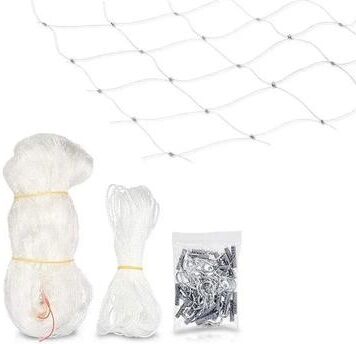
Uplifted Finds Fortress Guard High Tensile Safety Netting 8 X 3 MSecure your pets elevated vantage points with the Fortress Guard Safety System, a highreliability protective barrier engineered with fallprevention logic. This professionalgrade netting features a reinforced nylonsteel composite architecture,...258,97 $*Shipping: 0,00 $Secure redirect to the provider
-
Why is formic acid a monoprotic acid?
Formic acid is a monoprotic acid because it can donate only one proton (H+) in a chemical reaction. This is due to its chemical structure, which contains only one carboxylic acid functional group (COOH), allowing for the donation of only one proton. As a result, formic acid can form only one type of ion when it donates a proton, making it a monoprotic acid. **
-
How can one recognize which acids are monoprotic, diprotic, or triprotic?
One can recognize the number of protons that an acid can donate by looking at its chemical formula and structure. Monoprotic acids, such as hydrochloric acid (HCl) and acetic acid (CH3COOH), can donate one proton. Diprotic acids, such as sulfuric acid (H2SO4), can donate two protons. Triprotic acids, such as phosphoric acid (H3PO4), can donate three protons. Additionally, one can also recognize the number of protons an acid can donate by looking at its ionization constants (Ka values) - monoprotic acids will have one Ka value, diprotic acids will have two Ka values, and triprotic acids will have three Ka values. **
-
How can I tell if an acid is monoprotic or polyprotic?
You can determine if an acid is monoprotic or polyprotic by looking at its chemical formula. If the formula contains only one hydrogen ion (H+), then the acid is monoprotic. However, if the formula contains more than one hydrogen ion, then the acid is polyprotic. Additionally, you can also look at the acid's chemical structure and its ability to donate multiple hydrogen ions to determine if it is polyprotic. **
-
Can someone explain the meaning of monoprotic and polyprotic to me?
Sure! Monoprotic and polyprotic refer to the number of protons that can be donated by an acid. Monoprotic acids can donate one proton, while polyprotic acids can donate more than one proton. For example, hydrochloric acid (HCl) is monoprotic because it can donate one proton, while sulfuric acid (H2SO4) is polyprotic because it can donate two protons. This distinction is important in understanding the behavior and properties of different acids in chemical reactions. **
* All prices are inclusive of VAT and, if applicable, plus shipping costs. The offer information is based on the details provided by the respective shop and is updated through automated processes. Real-time updates do not occur, so deviations can occur in individual cases. ** Note: Parts of this content were created by AI.