Buy atfort.eu ?
We are moving the project
atfort.eu .
Are you interested in purchasing the domain
atfort.eu ?
domain@kv-gmbh.de · 0541-91531010
Buy atfort.eu ?
What is the endosymbiont theory?
The endosymbiont theory proposes that eukaryotic cells, which make up plants, animals, fungi, and protists, evolved from a symbiotic relationship between different types of prokaryotic cells. Specifically, it suggests that mitochondria and chloroplasts within eukaryotic cells were once free-living bacteria that were engulfed by a larger host cell but instead of being digested, they formed a mutually beneficial relationship. This theory is supported by evidence such as the similarities between the DNA of mitochondria and chloroplasts with that of bacteria, as well as their ability to replicate independently within the cell. **
What evidence supports the endosymbiont theory?
Several pieces of evidence support the endosymbiont theory: 1. Mitochondria and chloroplasts have their own DNA, which is circular like bacterial DNA. This suggests that they were once free-living bacteria that were engulfed by a host cell. 2. Mitochondria and chloroplasts have their own ribosomes, which are similar to bacterial ribosomes. This indicates that they are capable of protein synthesis independently of the host cell. 3. Mitochondria and chloroplasts reproduce independently of the host cell through a process similar to bacterial binary fission. 4. The inner membranes of mitochondria and chloroplasts contain enzymes and transport systems that are similar to those found in bacteria. 5. Some protists have structures called hydrogenosomes and mitosomes, which are thought to be degenerate forms of mitochondria. This supports the idea that mitochondria evolved from free-living bacteria. Overall, these pieces of evidence provide strong support for the endosymbiont theory, which suggests that mitochondria and chloroplasts were once free-living bacteria that were engulfed by a host cell and eventually evolved into organelles. **


Similar search terms for Endosymbiont
Top-Angebote
Products related to Endosymbiont:
-
DynamicDeals Transparent Full Face Shield With Head Mounted Eye Protection For Motorcycle & Safety yellowStay safe without sacrificing comfort or visibility with our full face shield. Designed for riders, outdoor workers, and anyone seeking superior protection, this lightweight face mask offers clear vision and full coverage. Its durable PC material...39,97 $*Shipping: 0,00 $Secure redirect to the provider
-
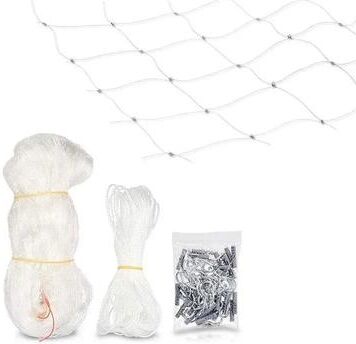
Uplifted Finds Fortress Guard High Tensile Safety Netting 2 X 1.5 MSecure your pets elevated vantage points with the Fortress Guard Safety System, a highreliability protective barrier engineered with fallprevention logic. This professionalgrade netting features a reinforced nylonsteel composite architecture,...110,97 $*Shipping: 0,00 $Secure redirect to the provider
-
DynamicDeals Full Face Protection Mask With Anti Fog Shield For Kitchen & Work Safety blueKeep yourself safe while staying comfortable with our full face protection mask. Designed for anyone facing splash, wind, or dust hazards, it provides allaround coverage without fogging your vision. Durable and reusable, this mask is perfect for...39,97 $*Shipping: 0,00 $Secure redirect to the provider
-
DynamicDeals Transparent Full Face Shield With Head Mounted Eye Protection For Motorcycle & Safety orangeStay safe without sacrificing comfort or visibility with our full face shield. Designed for riders, outdoor workers, and anyone seeking superior protection, this lightweight face mask offers clear vision and full coverage. Its durable PC material...39,97 $*Shipping: 0,00 $Secure redirect to the provider



-
Which data support the endosymbiont theory?
The endosymbiont theory is supported by several lines of evidence, including the similarities between mitochondria and chloroplasts and certain types of bacteria, the presence of their own DNA and ribosomes, and their ability to replicate independently within the host cell. Additionally, the phylogenetic analysis of mitochondrial and chloroplast DNA has shown that they are more closely related to certain groups of bacteria than to eukaryotic cells. Finally, the presence of double membranes in mitochondria and chloroplasts is consistent with the theory that they were once free-living bacteria that were engulfed by a host cell. **
-
What is meant by the endosymbiont theory?
The endosymbiont theory proposes that eukaryotic cells evolved from a symbiotic relationship between different types of prokaryotic cells. According to this theory, mitochondria and chloroplasts, which are organelles found in eukaryotic cells, were once free-living bacteria that were engulfed by a larger host cell. Over time, these bacteria formed a mutually beneficial relationship with the host cell, eventually becoming integrated into the cell and evolving into specialized organelles. This theory is supported by evidence such as the similarities between the DNA of mitochondria and chloroplasts and that of bacteria. **
-
How can the endosymbiont theory be proven?
The endosymbiont theory can be proven through a combination of evidence from molecular biology, genetics, and comparative genomics. One way to prove the theory is by comparing the genetic material of organelles like mitochondria and chloroplasts to that of free-living bacteria. If the genetic sequences are similar, it would support the idea that these organelles were once independent bacteria that were engulfed by a host cell. Additionally, studying the structure and function of these organelles can provide further evidence for their bacterial origins. Finally, experimental studies, such as observing the behavior of organelles in different environments, can also help to support the endosymbiont theory. **
-
Why is the endosymbiont theory spoken of?
The endosymbiont theory is spoken of because it provides a compelling explanation for the origin of eukaryotic cells. This theory suggests that eukaryotic cells evolved from a symbiotic relationship between different types of prokaryotic cells, with one cell engulfing another and forming a mutually beneficial partnership. This theory is important because it helps to explain the presence of organelles such as mitochondria and chloroplasts within eukaryotic cells, as well as the similarities between these organelles and certain types of bacteria. Overall, the endosymbiont theory has had a significant impact on our understanding of the evolution of complex life forms. **


How can the endosymbiont theory be explained simply?
The endosymbiont theory proposes that eukaryotic cells evolved from a symbiotic relationship between different types of prokaryotic cells. According to this theory, a larger host cell engulfed a smaller prokaryotic cell, forming a symbiotic relationship where the smaller cell provided energy through processes like photosynthesis or respiration. Over time, the smaller cell evolved into organelles like mitochondria and chloroplasts, which are now essential components of eukaryotic cells. This theory is supported by evidence such as the similarities between organelles and prokaryotic cells, as well as the presence of DNA within organelles. **
What does the endosymbiont theory state in biology?
The endosymbiont theory in biology states that eukaryotic cells, which make up plants, animals, fungi, and protists, evolved from a symbiotic relationship between different types of prokaryotic cells. Specifically, it proposes that mitochondria and chloroplasts, which are organelles found in eukaryotic cells, were once free-living bacteria that were engulfed by a larger host cell. Over time, these bacteria formed a mutually beneficial relationship with the host cell, eventually becoming permanent residents and evolving into the organelles we see today. This theory is supported by evidence such as the similarities between the DNA of mitochondria and chloroplasts and that of free-living bacteria, as well as their ability to replicate independently within the cell. **
Top-Angebote
Products related to Endosymbiont:
-
Uplift Essentials HD Transparent Safety Face Shield Full Protection Anti Fog & Anti Splash Mask HD Transparent Safety Face Shield Full Protection Anti Fog & Anti Splash MaskPrioritize your safety with this HD Transparent Full Safety Face Shield. Engineered for maximum visibility and protection, this reusable mask features highdefinition clarity combined with antifog and windproof technology. Whether you are working in...46,97 $*Shipping: 0,00 $Secure redirect to the provider
-
DynamicDeals Full Face Protection Mask With Anti Fog Shield For Kitchen & Work Safety blackKeep yourself safe while staying comfortable with our full face protection mask. Designed for anyone facing splash, wind, or dust hazards, it provides allaround coverage without fogging your vision. Durable and reusable, this mask is perfect for...39,97 $*Shipping: 0,00 $Secure redirect to the provider
-
DynamicDeals Transparent Full Face Shield With Head Mounted Eye Protection For Motorcycle & Safety yellowStay safe without sacrificing comfort or visibility with our full face shield. Designed for riders, outdoor workers, and anyone seeking superior protection, this lightweight face mask offers clear vision and full coverage. Its durable PC material...39,97 $*Shipping: 0,00 $Secure redirect to the provider
-
Uplifted Finds Fortress Guard High Tensile Safety Netting 2 X 1.5 MSecure your pets elevated vantage points with the Fortress Guard Safety System, a highreliability protective barrier engineered with fallprevention logic. This professionalgrade netting features a reinforced nylonsteel composite architecture,...110,97 $*Shipping: 0,00 $Secure redirect to the provider
-
What is the endosymbiont theory?
The endosymbiont theory proposes that eukaryotic cells, which make up plants, animals, fungi, and protists, evolved from a symbiotic relationship between different types of prokaryotic cells. Specifically, it suggests that mitochondria and chloroplasts within eukaryotic cells were once free-living bacteria that were engulfed by a larger host cell but instead of being digested, they formed a mutually beneficial relationship. This theory is supported by evidence such as the similarities between the DNA of mitochondria and chloroplasts with that of bacteria, as well as their ability to replicate independently within the cell. **
-
What evidence supports the endosymbiont theory?
Several pieces of evidence support the endosymbiont theory: 1. Mitochondria and chloroplasts have their own DNA, which is circular like bacterial DNA. This suggests that they were once free-living bacteria that were engulfed by a host cell. 2. Mitochondria and chloroplasts have their own ribosomes, which are similar to bacterial ribosomes. This indicates that they are capable of protein synthesis independently of the host cell. 3. Mitochondria and chloroplasts reproduce independently of the host cell through a process similar to bacterial binary fission. 4. The inner membranes of mitochondria and chloroplasts contain enzymes and transport systems that are similar to those found in bacteria. 5. Some protists have structures called hydrogenosomes and mitosomes, which are thought to be degenerate forms of mitochondria. This supports the idea that mitochondria evolved from free-living bacteria. Overall, these pieces of evidence provide strong support for the endosymbiont theory, which suggests that mitochondria and chloroplasts were once free-living bacteria that were engulfed by a host cell and eventually evolved into organelles. **
-
Which data support the endosymbiont theory?
The endosymbiont theory is supported by several lines of evidence, including the similarities between mitochondria and chloroplasts and certain types of bacteria, the presence of their own DNA and ribosomes, and their ability to replicate independently within the host cell. Additionally, the phylogenetic analysis of mitochondrial and chloroplast DNA has shown that they are more closely related to certain groups of bacteria than to eukaryotic cells. Finally, the presence of double membranes in mitochondria and chloroplasts is consistent with the theory that they were once free-living bacteria that were engulfed by a host cell. **
-
What is meant by the endosymbiont theory?
The endosymbiont theory proposes that eukaryotic cells evolved from a symbiotic relationship between different types of prokaryotic cells. According to this theory, mitochondria and chloroplasts, which are organelles found in eukaryotic cells, were once free-living bacteria that were engulfed by a larger host cell. Over time, these bacteria formed a mutually beneficial relationship with the host cell, eventually becoming integrated into the cell and evolving into specialized organelles. This theory is supported by evidence such as the similarities between the DNA of mitochondria and chloroplasts and that of bacteria. **
Similar search terms for Endosymbiont
-
DynamicDeals Full Face Protection Mask With Anti Fog Shield For Kitchen & Work Safety blueKeep yourself safe while staying comfortable with our full face protection mask. Designed for anyone facing splash, wind, or dust hazards, it provides allaround coverage without fogging your vision. Durable and reusable, this mask is perfect for...39,97 $*Shipping: 0,00 $Secure redirect to the provider
-
DynamicDeals Transparent Full Face Shield With Head Mounted Eye Protection For Motorcycle & Safety orangeStay safe without sacrificing comfort or visibility with our full face shield. Designed for riders, outdoor workers, and anyone seeking superior protection, this lightweight face mask offers clear vision and full coverage. Its durable PC material...39,97 $*Shipping: 0,00 $Secure redirect to the provider
-
DynamicDeals Full Face Protection Mask With Anti Fog Shield For Kitchen & Work Safety redKeep yourself safe while staying comfortable with our full face protection mask. Designed for anyone facing splash, wind, or dust hazards, it provides allaround coverage without fogging your vision. Durable and reusable, this mask is perfect for...39,97 $*Shipping: 0,00 $Secure redirect to the provider
-
DynamicDeals Full Face Protection Mask With Anti Fog Shield For Kitchen & Work Safety greyKeep yourself safe while staying comfortable with our full face protection mask. Designed for anyone facing splash, wind, or dust hazards, it provides allaround coverage without fogging your vision. Durable and reusable, this mask is perfect for...39,97 $*Shipping: 0,00 $Secure redirect to the provider
-
How can the endosymbiont theory be proven?
The endosymbiont theory can be proven through a combination of evidence from molecular biology, genetics, and comparative genomics. One way to prove the theory is by comparing the genetic material of organelles like mitochondria and chloroplasts to that of free-living bacteria. If the genetic sequences are similar, it would support the idea that these organelles were once independent bacteria that were engulfed by a host cell. Additionally, studying the structure and function of these organelles can provide further evidence for their bacterial origins. Finally, experimental studies, such as observing the behavior of organelles in different environments, can also help to support the endosymbiont theory. **
-
Why is the endosymbiont theory spoken of?
The endosymbiont theory is spoken of because it provides a compelling explanation for the origin of eukaryotic cells. This theory suggests that eukaryotic cells evolved from a symbiotic relationship between different types of prokaryotic cells, with one cell engulfing another and forming a mutually beneficial partnership. This theory is important because it helps to explain the presence of organelles such as mitochondria and chloroplasts within eukaryotic cells, as well as the similarities between these organelles and certain types of bacteria. Overall, the endosymbiont theory has had a significant impact on our understanding of the evolution of complex life forms. **
-
How can the endosymbiont theory be explained simply?
The endosymbiont theory proposes that eukaryotic cells evolved from a symbiotic relationship between different types of prokaryotic cells. According to this theory, a larger host cell engulfed a smaller prokaryotic cell, forming a symbiotic relationship where the smaller cell provided energy through processes like photosynthesis or respiration. Over time, the smaller cell evolved into organelles like mitochondria and chloroplasts, which are now essential components of eukaryotic cells. This theory is supported by evidence such as the similarities between organelles and prokaryotic cells, as well as the presence of DNA within organelles. **
-
What does the endosymbiont theory state in biology?
The endosymbiont theory in biology states that eukaryotic cells, which make up plants, animals, fungi, and protists, evolved from a symbiotic relationship between different types of prokaryotic cells. Specifically, it proposes that mitochondria and chloroplasts, which are organelles found in eukaryotic cells, were once free-living bacteria that were engulfed by a larger host cell. Over time, these bacteria formed a mutually beneficial relationship with the host cell, eventually becoming permanent residents and evolving into the organelles we see today. This theory is supported by evidence such as the similarities between the DNA of mitochondria and chloroplasts and that of free-living bacteria, as well as their ability to replicate independently within the cell. **
* All prices are inclusive of VAT and, if applicable, plus shipping costs. The offer information is based on the details provided by the respective shop and is updated through automated processes. Real-time updates do not occur, so deviations can occur in individual cases. ** Note: Parts of this content were created by AI.